Embracing Japandi: The Perfect Fusion of Japanese Minimalism and Scandinavian Functionality
2/19/20264 min read
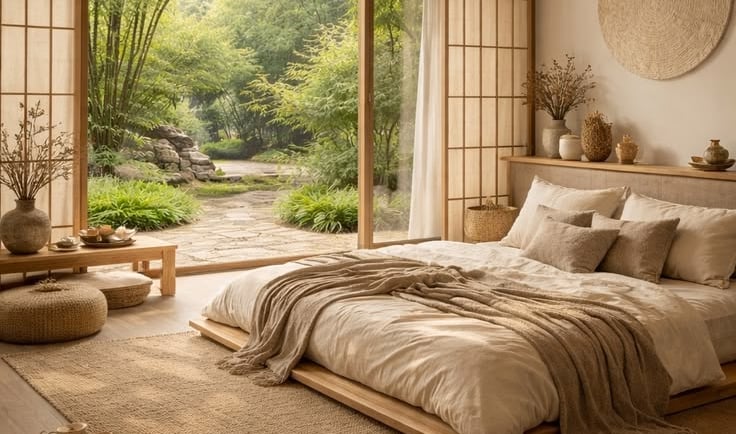
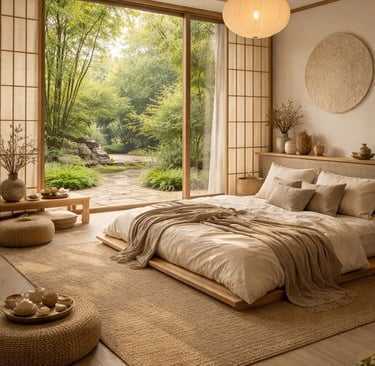
Understanding Japandi: Origins and Influences
Japandi is an innovative design aesthetic that harmoniously blends Japanese minimalism with Scandinavian functionality. To fully appreciate the essence of Japandi, it is essential to explore the historical roots and philosophies that influence this distinctive style.
Japanese design is deeply rooted in cultural traditions that prioritize simplicity and a close connection to nature. Central to this philosophy is the concept of wabi-sabi, which embraces the beauty of imperfection and the transient nature of objects. This approach encourages the use of natural materials and a muted color palette, creating a serene environment that fosters mindfulness. By incorporating elements such as tatami mats and shoji screens, Japanese minimalism promotes open spaces that encourage peace and contemplation.
On the other hand, Scandinavian design emerged in the early 20th century, emphasizing functionality, practicality, and comfort. Scandinavian interiors are characterized by their bright and airy spaces, often utilizing white walls and light-wood furniture to enhance the feeling of openness. The Scandinavian approach also values sustainability, leading designers to choose eco-friendly materials and craftsmanship that highlight the beauty of natural resources. This style not only favors functional furniture but also creates inviting atmospheres that seamlessly blend form and purpose.
The fusion of these two powerful design philosophies in Japandi results in a balanced aesthetic that prioritizes minimalism while emphasizing everyday functionality. By integrating the clean lines and simplicity of Japanese design with the practicality and comfort of Scandinavian elements, Japandi reflects a sophisticated approach to modern living. It invites individuals to create interiors that are not only visually appealing but also emotionally resonant, encouraging a lifestyle that values tranquility, simplicity, and sustainability and providing a clear path toward a harmonious indoor environment.
Key Characteristics of Japandi Interior Design
Japandi interior design is a harmonious blend of Japanese minimalism and Scandinavian functionality, resulting in a sophisticated aesthetic that emphasizes balance, simplicity, and warmth. One of the core features of Japandi design is the utilization of a neutral color palette. Soft tones of beige, grey, and muted pastels create a calm environment that fosters tranquility. This choice of colors not only enhances the natural light within a space but also serves as a serene backdrop for the thoughtful elements that populate the interior.
Moreover, natural materials play a pivotal role in defining Japandi interiors. The integration of wood, stone, and textiles creates a tactile experience that invites warmth and comfort. Scandinavian-inspired furniture often features light woods, while Japanese design emphasizes the beauty of dark, rich textures. The combination of these materials serves to create a cohesive environment where nature complements the living space, leading to a sense of grounding and connection.
Another defining characteristic is the focus on clutter-free spaces. Central to both Japanese and Scandinavian philosophies is the principle of decluttering, which encourages a mindful selection of decor. In a Japandi interior, every item chosen carries significance and contributes to the overall aesthetic. The Japanese concept of 'ma' or space underscores the importance of negative space in design, ensuring that each element has room to breathe, thus enhancing functionality without compromising on beauty.
The melding of traditional Japanese aesthetics, such as wabi-sabi—celebrating imperfection—and Scandinavian principles of minimalism, creates a refined yet inviting atmosphere. Each feature of Japandi interior design, from color to materials to layout, works in concert to promote a serene and stylish living experience, allowing for both reflection and relaxation.
How to Achieve a Japandi Look in Your Home
Achieving the Japandi aesthetic in your home requires a thoughtful approach to both design and decoration, focusing on the principles of minimalism, functionality, and natural harmony. Start by selecting furniture that embodies these qualities. Look for pieces made from natural materials like wood, bamboo, and stone, as they contribute to an organic feel, which is quintessential to both Japanese and Scandinavian styles. Opt for clean lines and simple forms to maintain that essential minimalist vibe.
Color schemes play a vital role in establishing a Japandi atmosphere. Incorporate a palette that features muted, earthy tones, such as soft whites, warm browns, and gentle greens. These colors not only enhance the tranquility of the space but also align well with the principles of Japanese aesthetics, emphasizing a connection to nature. You might also consider adding splashes of deeper hues such as navy or forest green to create depth, while still keeping the overall look calm and cohesive.
The layout of your space is equally important in achieving the Japandi look. Aim for an open floor plan that allows for easy movement, promoting a sense of peace and serenity. Limit clutter by ensuring that each item serves a purpose or brings joy, which echoes the Japanese philosophy of 'wabi-sabi'. This can be achieved through careful curation of décor; think about incorporating hand-crafted items, textiles with subtle textures, and plants, which help to bring a touch of nature indoors.
Lastly, accessorizing is crucial in creating the right ambiance. Choose decorative elements that reflect both cultures, such as Scandinavian ceramics paired with Japanese art pieces. This will not only enhance the visual appeal but also foster an inviting atmosphere that celebrates simplicity and balance in everyday life.
The Benefits of Embracing the Japandi Aesthetic
In recent years, the Japandi aesthetic has gained recognition as a harmonious blend of Japanese minimalism and Scandinavian functionality. This design philosophy offers numerous advantages for those looking to enhance their home interiors.
One of the primary benefits of adopting the Japandi style is its ability to foster a sense of calm and mindfulness within the living space. By emphasizing simplicity and decluttering, this aesthetic encourages individuals to engage more deeply with their surroundings. The tranquil atmosphere promoted by clean lines and neutral color palettes serves as a sanctuary away from the chaos of daily life, allowing homeowners to experience relaxation and peace.
Additionally, the Japandi aesthetic champions sustainability through its preference for natural materials. Often incorporating wood, bamboo, and stone, this design approach prioritizes eco-friendly choices that resonate with an increasing modern awareness of environmental responsibility. By selecting materials that are both beautiful and sustainable, individuals contribute to a healthier planet while still achieving a stylish home.
Moreover, the versatility of the Japandi style makes it particularly appealing for modern living. It strikes a perfect balance between aesthetic beauty and practical function, enabling homeowners to create multifaceted spaces that cater to various activities, whether they involve work, relaxation, or social gatherings. This adaptability is especially valuable in smaller homes, where multifunctional design is essential.
Ultimately, embracing the Japandi lifestyle not only enhances the visual appeal of home interiors but also inspires a deeper appreciation for the chosen objects that inhabit these spaces. By curating a thoughtfully designed environment, individuals can cultivate a sense of purpose and connection with their belongings, enriching their everyday lives. The Japandi aesthetic is a testament to the idea that less truly can be more, encouraging a lifestyle centered on quality rather than quantity.
Some links on this blog are affiliate links, which means I may earn a commission if you choose to purchase through them — at no extra cost to you. This helps support the blog and allows me to keep creating cozy inspiration
studio@agneslavore.com
© 2025. All rights reserved.